

Relief for Tooth Pain and Infection
Persistent tooth pain can affect your sleep, your focus, and your overall well-being. Modern endodontic treatment (a root canal) is a straightforward procedure designed to restore your oral health. If you’ve been told you may need a root canal, you might feel nervous—but you don’t have to be.
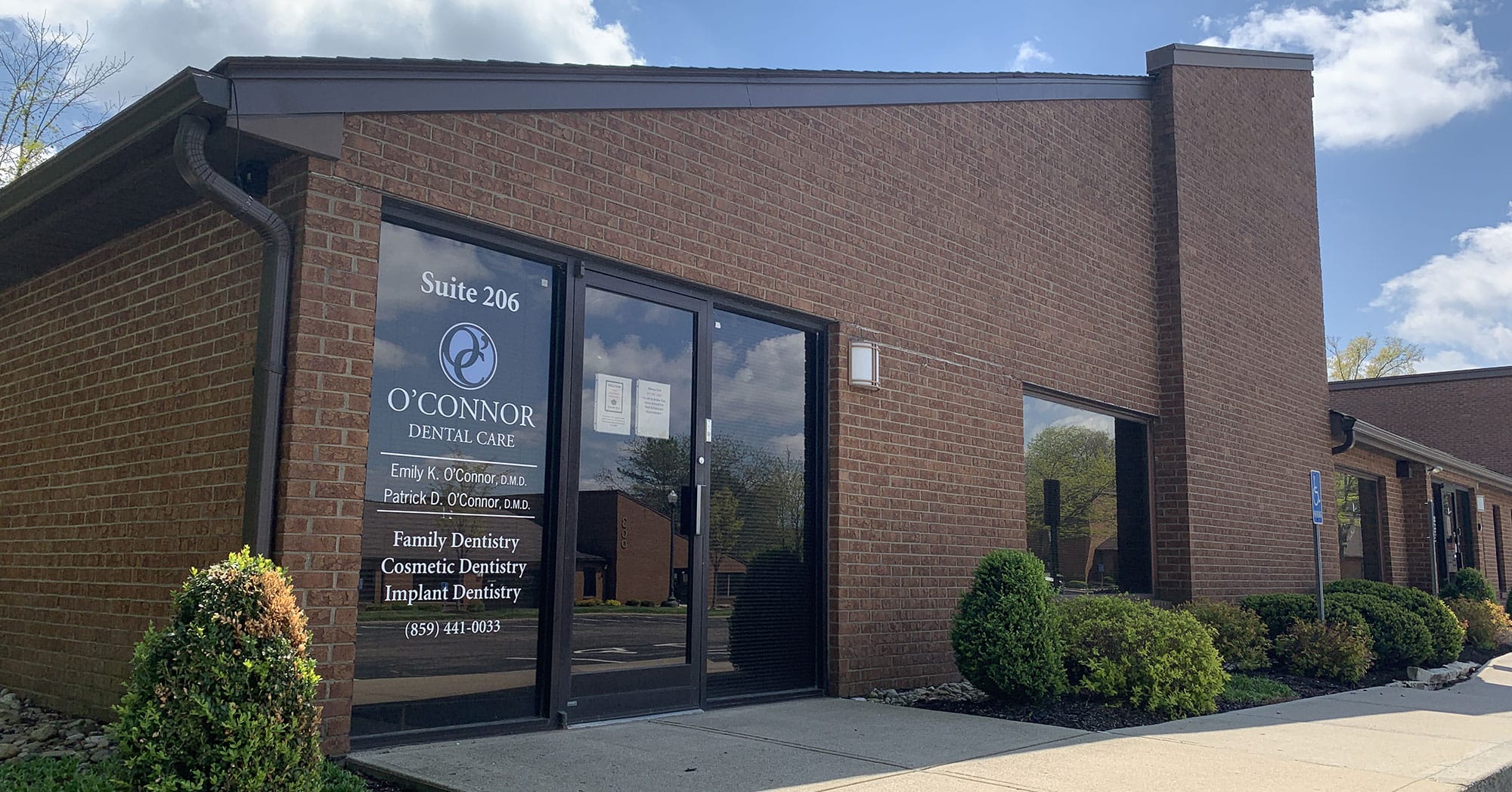
At O’Connor Dental Care in Fort Thomas, KY, root canal therapy is performed with compassion, precision, and your comfort in mind. Our goal is simple: relieve pain, eliminate infection, and preserve your natural tooth whenever possible. We’re here to provide excellent dental care services while helping alleviate any concerns you may have and restore comfort to your smile.
What Is Root Canal Treatment?
Root canal treatment is a dental procedure that removes infected dental pulp from inside the tooth. The pulp chamber contains soft tissue, nerves, and blood vessels that help a tooth develop. Once a tooth is fully mature, it can survive without this inner tissue because it continues to receive nourishment from surrounding structures.
When bacteria enter the inside of the tooth due to deep tooth decay, cracks, or trauma, the infected pulp can cause significant tooth pain, swelling, and a deep cavity. This is known as a root canal infection. Without treatment, the infection can spread beyond the root of your tooth and compromise more of your tooth structure, potentially leading to tooth loss.
Root canals allow us to remove the damaged pulp, disinfect the root canal system, and seal that part of the tooth to prevent further infection.
Signs You May Need Endodontic Treatment
Not every toothache requires a root canal, but when the pulp becomes infected, this particular treatment is often the most conservative and effective solution. Common symptoms that suggest a deeper issue include:
Common symptoms include:
- Persistent or severe tooth pain
- Sensitivity to hot or cold that lingers
- Swelling around the gum line
- Darkening of a natural tooth
- Pain when chewing or applying pressure
- Recurring endodontic pain
Delaying medical attention may result in more severe infection, severe pain, deep decay, abscess development, and the need for more complicated treatment options. Early intervention protects your oral health and can reduce overall treatment or out-of-pocket costs.
If you are experiencing any of these symptoms, it’s important to schedule an evaluation with your general dentist right away. Early diagnosis often makes treatment more comfortable and predictable.
Why Saving Your Natural Tooth Matters
While extraction might seem to be a faster solution, whenever possible, preserving your natural tooth is the right treatment.
Saving the natural tooth preserves correct bite alignment, reduces the risk of neighboring teeth moving, protects jawbone integrity, and supports your ongoing dental health objectives.
Root canals allow you to keep your natural tooth and restore its function.
What Happens During a Root Canal Procedure?
Many patients are surprised to learn that modern root canal treatment pain is typically no worse than getting a filling. We provide various forms of pain management options while performing the root canal procedure. Here’s what you can expect:
Local Anesthetic for Comfort
We begin by thoroughly numbing the area with a local anesthetic. Your comfort is always our priority.
Isolation with a Dental Dam
A dental dam is placed around the tooth to keep it clean and dry during the procedure. This protective barrier prevents bacteria from entering the treatment area.
Removing the Infected Pulp
We create a small opening to access the pulp chamber and carefully remove the infected and damaged pulp from the root canal anatomy.
Cleaning the Root Canal System
The canals are gently cleaned and disinfected, often using antimicrobial solutions such as sodium hypochlorite to eliminate bacteria.
Filling and Sealing
The cleaned space is filled and sealed to protect against future root canal infection. In many cases, a temporary filling is placed until a permanent restoration can be completed.
Often, a dental crown is recommended afterward to restore strength to the treated tooth.
Is Root Canal Treatment Painful?
This is one of the most common concerns we hear.
Thanks to modern techniques and effective local anesthetics, most patients report that a root canal feels similar to having a cavity filled. In fact, the procedure is designed to relieve pain caused by infection, not create it.
If you are anxious, let us know. We are committed to making your experience as calm and comfortable as possible, and are here to answer any questions you may have.
Proper Care Following a Root Canal
After your procedure, mild tenderness is normal for a few days. This typically resolves quickly.
To protect your treated tooth:
- Avoid chewing hard foods until fully restored
- Follow recommended dental care instructions
- Maintain good oral hygiene
- Attend follow-up appointments
Once your final restoration is placed, your tooth can function just like your other natural teeth. Proper care and routine dental visits help ensure long-term success.
Frequently Asked Questions About Root Canals
How long does root canal treatment take?
Will I need a crown afterward?
Is extraction ever better?
What if I delay treatment?
How do I know my exact root canal treatment cost?
Relief Starts Here
If you’re experiencing persistent tooth pain or suspect an infected tooth, don’t wait. Root canals are a safe, effective way to relieve discomfort and preserve your smile. From the moment you walk through our doors, you’ll feel welcomed, heard, and cared for. We take pride in doing things the right way because your smile deserves nothing less.
Call us at (859) 441-0033 or easily request an appointment online to schedule your visit. We’d love to get to know you, answer your questions, and help you feel confident about your dental health.
At O’Connor Dental Care, you’re more than a patient—you’re family.